The exhibition features two extraordinary works from Mongolia, celebrating the dialogue between East and West.
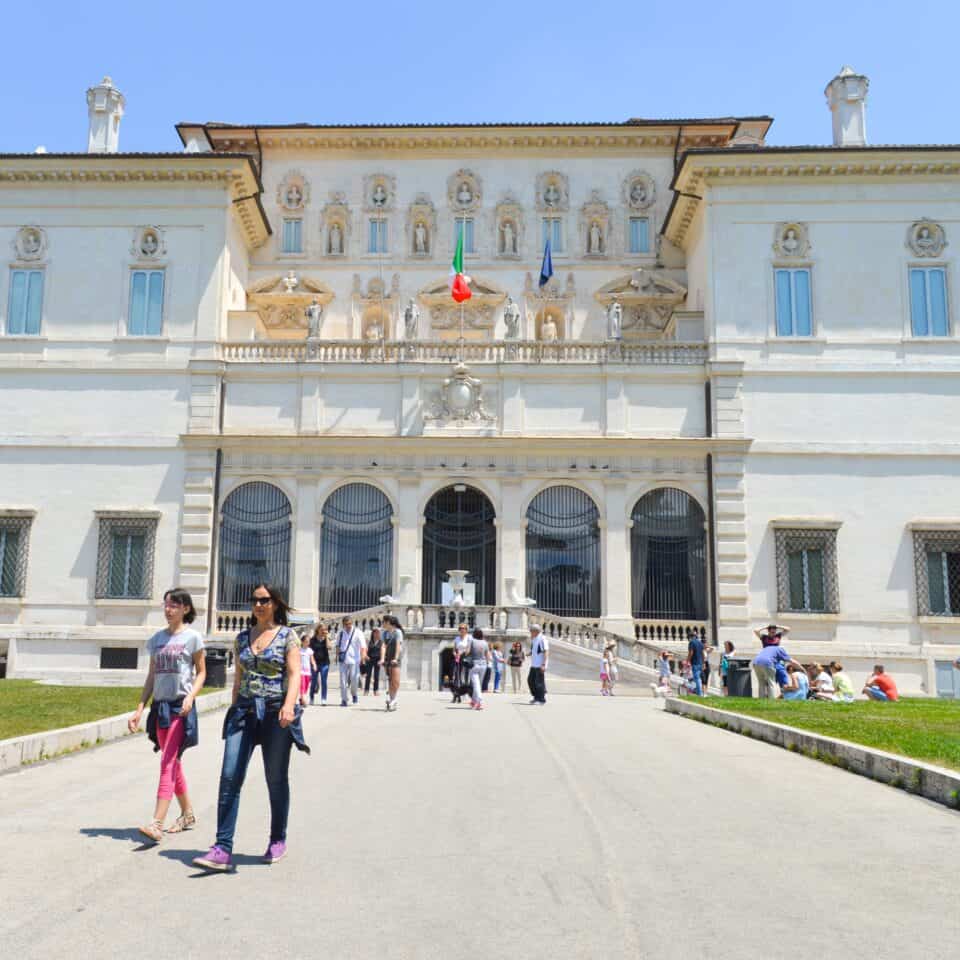
From 20 January to 22 February 2026, Borghese Gallery offers visitors a unique opportunity to admire works usually kept tens of thousands of kilometres away, brought together for the first time as expressions of the same historical moment. In collaboration with Turin’s Museum of Oriental Art, the museum will present two extraordinary works by Mongolian artist Zanabazar, creating an original dialogue between East and West under the banner of global Baroque.
Zanabazar was the spiritual name of EshidorJi, born into the noble lineage of Genghis Khan. Born in the heart of the Asian steppe, he lived in the 17th century and was revered as the reincarnation of one of the Buddha’s five hundred original disciples.

A spiritual leader of extraordinary charisma, Zanabazar was also a brilliant linguist and, above all, the greatest Mongolian sculptor of the modern era. He and his disciples produced works deeply inspired by journeys and stays in Tibetan monasteries, revered as sacred objects in places of worship and in the temples he founded across Mongolia. Among these, the representations of Tara stand out for their exceptional aesthetic value: feminine manifestations of the Buddha, deities associated with protection, liberation, and the inner states of being.
Zanabazar succeeded in spreading Buddhism across Mongolia on an unprecedented scale, making it accessible to ordinary believers.
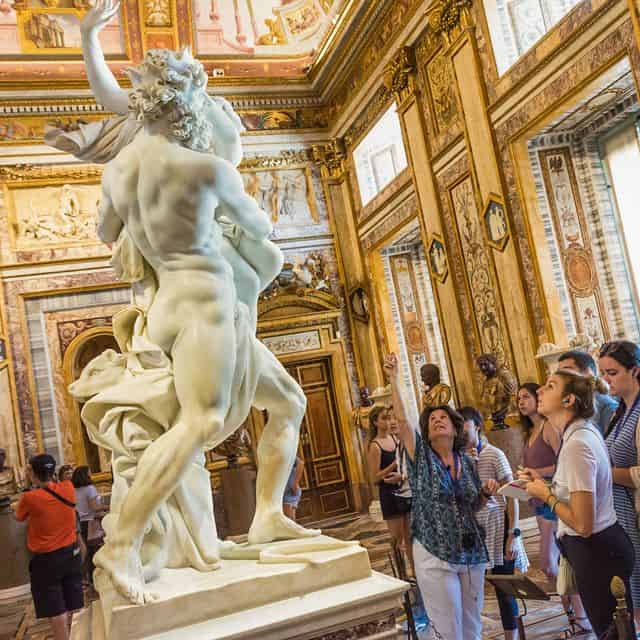
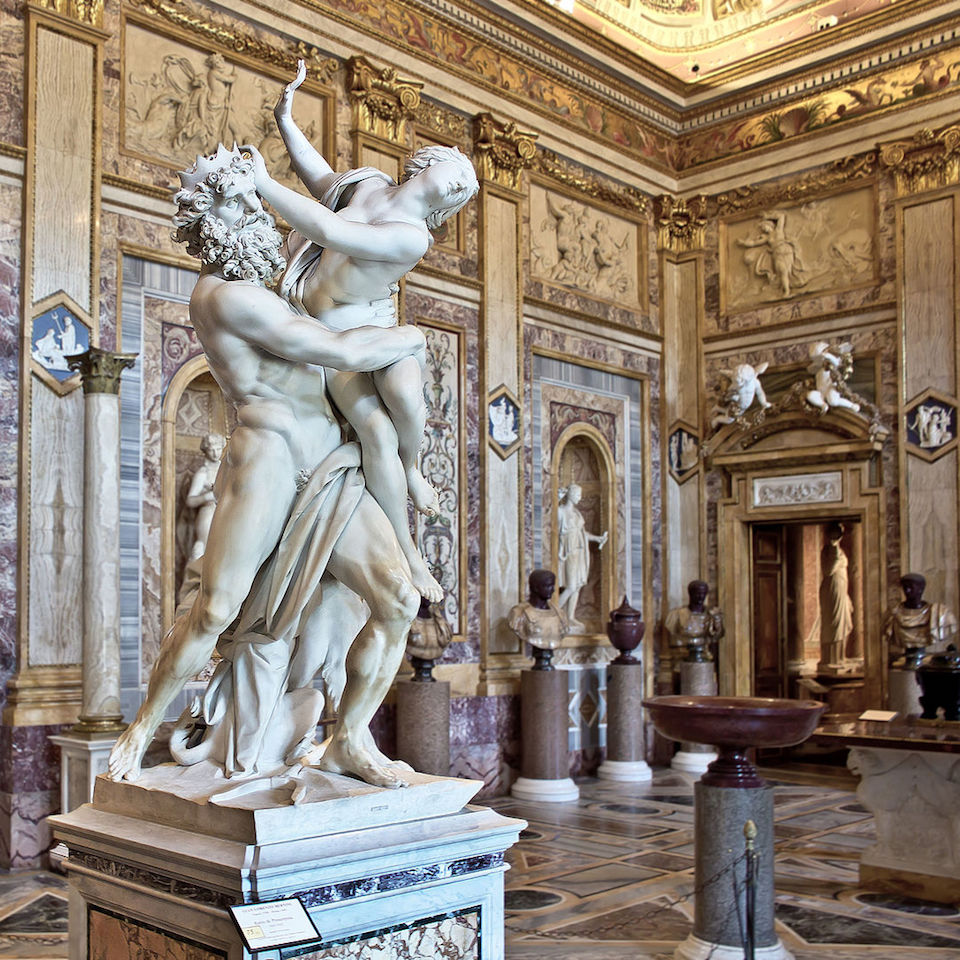
Zanabazar was a contemporary of Bernini: both left an indelible mark on their respective cultures, one in Europe, the other in Asia. Each introduced new artistic languages, developing innovative visions and original methods to reinterpret traditional themes and subjects, creating models that would profoundly influence generations to come. Two distant worlds, one creative force capable of changing the course of art history.


The two works on display, a refined Green Tara and a bronze self-portrait sculpture of Zanabazar seated on a throne, come from the Chinggis Khaan National Museum in Ulaanbaatar, Mongolia, and are presented to the public in a context of dialogue and comparison unlike any before. This is the first time Zanabazar’s works have reached Europe, and for the first time ever, visitors to a Western museum can experience these masterpieces and appreciate their aesthetic and formal affinity with our own artistic heritage, marking a unique encounter full of potential.